
Camera Obscura
Feminism, Culture, and Media Studies
 Sign Up for Issue Alerts
For information on how to submit an article, visit submission guidelines. See ethics and policies.
Journal
Current Volume: 41
Frequency: 3 issues annually
Academic Editors: Bishnupriya Ghosh, Lalitha Gopalan, Lynne Joyrich, Homay King, Bliss Cua Lim, Constance Penley, Tess Takahashi, Patricia White, and Sharon Willis
Subscribe
Price: $33.00
Read Online
Subscribers and institutions with electronic access can read the journal online.
Information
Editors
Back to TopEditorial Office:
Camera Obscura
Department of Film and Media Studies
University of California, Santa Barbara
Santa Barbara, CA 93106-4010
805-893-7069
805-893-8630 (fax)
cameraobscura@filmandmedia.ucsb.edu
Editors:
Bishnupriya Ghosh, University of California, Santa Barbara
Lalitha Gopalan, University of Texas at Austin
Lynne Joyrich, Brown University
Homay King, Bryn Mawr College
Bliss Cua Lim, University of Toronto
Constance Penley, University of California, Santa Barbara
Tess Takahashi, York University
Patricia White, Swarthmore College
Sharon Willis, University of Rochester
Coordinating Editor:
Akhil Goswami
Lead Copyeditor:
Nirvana Shahriar
Editorial Assistants:
Mary Cook
Henry Osman
Kyna McClenaghan
Advisory Editors:
Paula Amad
Aubrey Anable
Courtney R. Baker
Joanne Bernardi
Rizvana Bradley
Michelle Cho
Rey Chow
Wendy Hui Kyong Chun
Mary Ann Doane
Michael Boyce Gillespie
Jennifer González
Elena Gorfinkel
Roger Hallas
Amelie Hastie
Jennifer Horne
Dina Iordanova
Sarah Rebecca Kessler
Yosefa Loshitzky
Kathleen McHugh
Mandy Merck
Brandy Monk-Payton
Meaghan Morris
Frances Negrón-Muntaner
Lisa Parks
Elizabeth Ramírez-Soto
B. Ruby Rich
Julie Levin Russo
Jeff Scheible
Janet Staiger
Sasha Torres
Rebecca Wanzo
Althea Wasow
Mimi White
For Authors
Back to TopCamera Obscura seeks essays (6,500–9,000 words, including endnotes) that engage with current academic and popular discourses in feminism, culture, and media studies. The journal encourages contributions in areas such as the conjunctions of gender, race, class, and sexuality with audiovisual culture; new histories and theories of film, television, video, and digital media; and politically engaged approaches to a range of media practices. We encourage potential contributors to browse recent issues of the journal for examples of the types of scholarship we currently seek.
Camera Obscura is also interested in short pieces (750–2,500 words) on current media practices, practitioners, resources, events, or issues for the section "In Practice: Feminism/Culture/Media." The editors encourage authors to use the short format to experiment with form in a critical context. The section includes solicited contributions and open submissions, with the intention of enriching dialogue between feminist media scholarship and the practices—production, distribution, exhibition, organizing, curating, archiving, research, etc.—that sustain it.
Please submit an electronic copy of the manuscript (as a Microsoft Word email attachment) with a cover letter to the managing editor at cameraobscura@filmandmedia.ucsb.edu. Manuscripts should be double-spaced and use endnotes. Authors should declare all sources of funding (if applicable) in the cover letter. Camera Obscura's documentation style follows the note style in The Chicago Manual of Style, 18th ed., chaps. 13–14.
Buy an Issue
Back to TopTo purchase an issue not listed here, please contact our Customer Relations department at orders@dukeupress.edu.

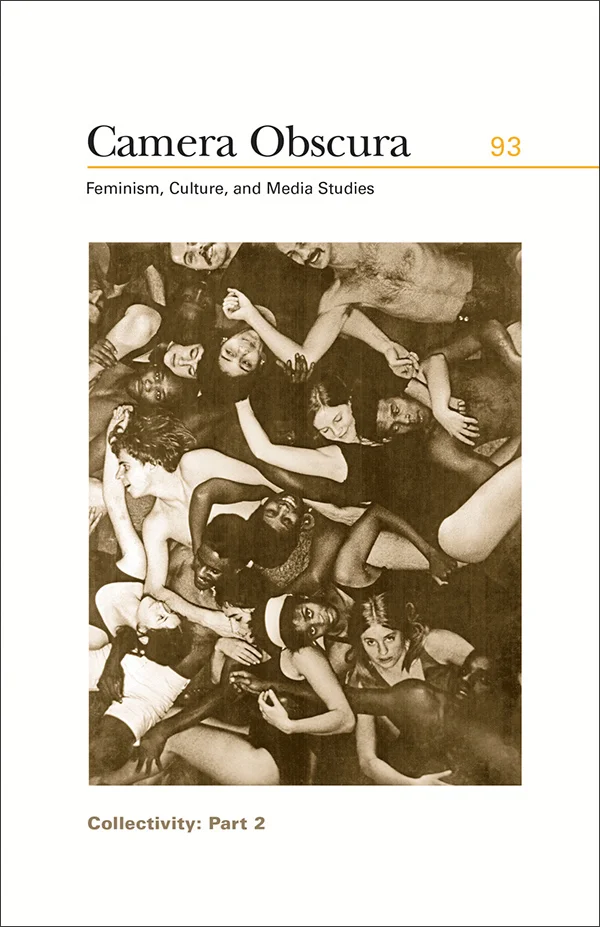
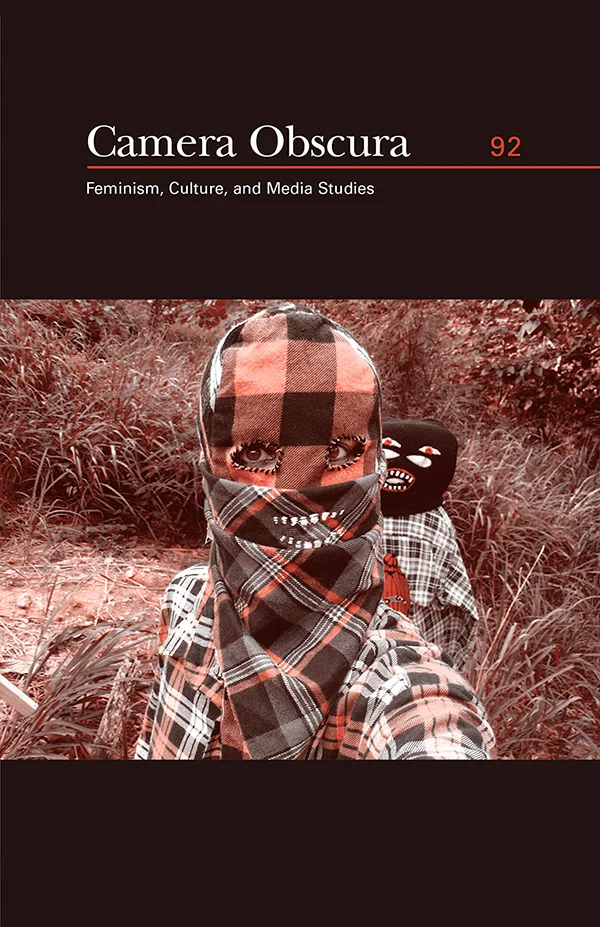
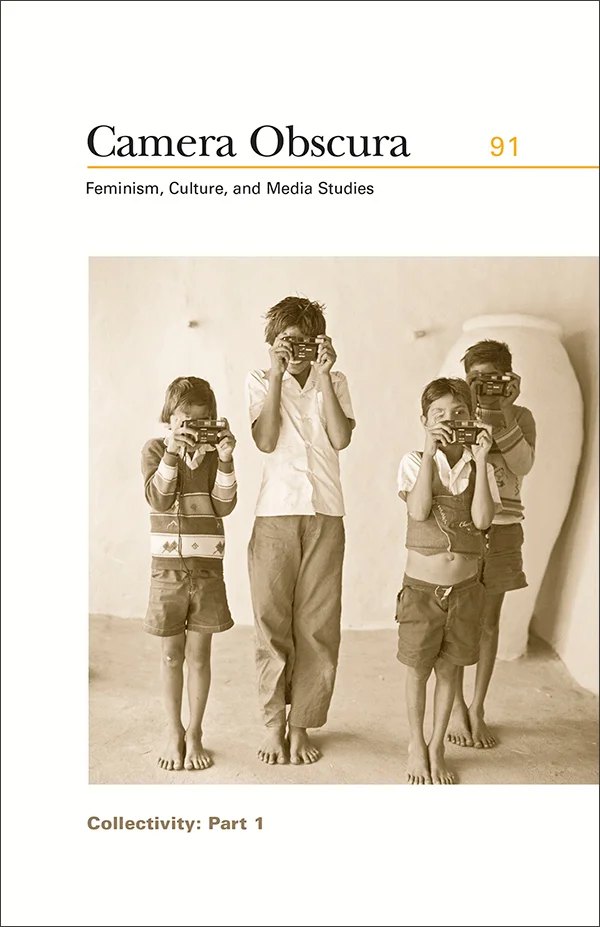
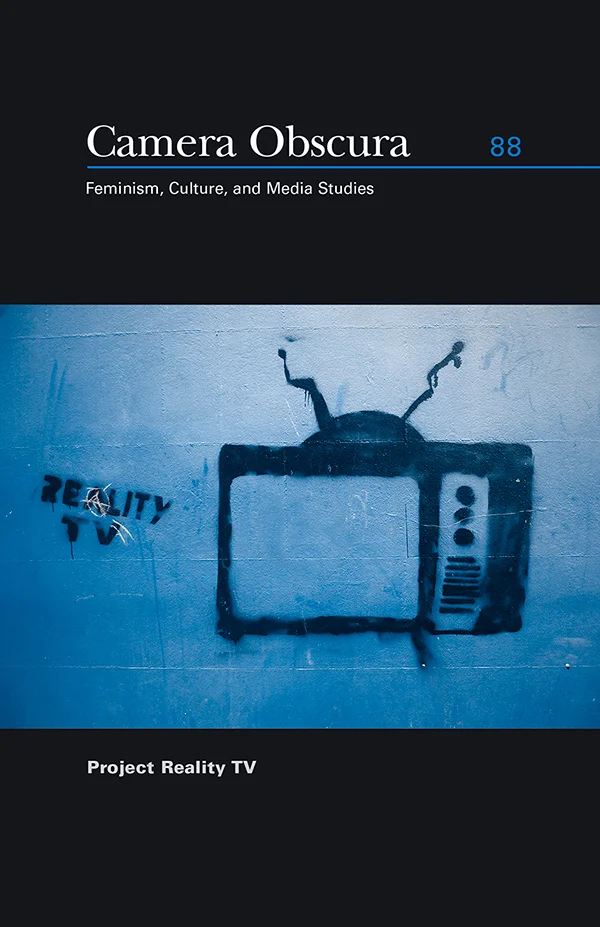
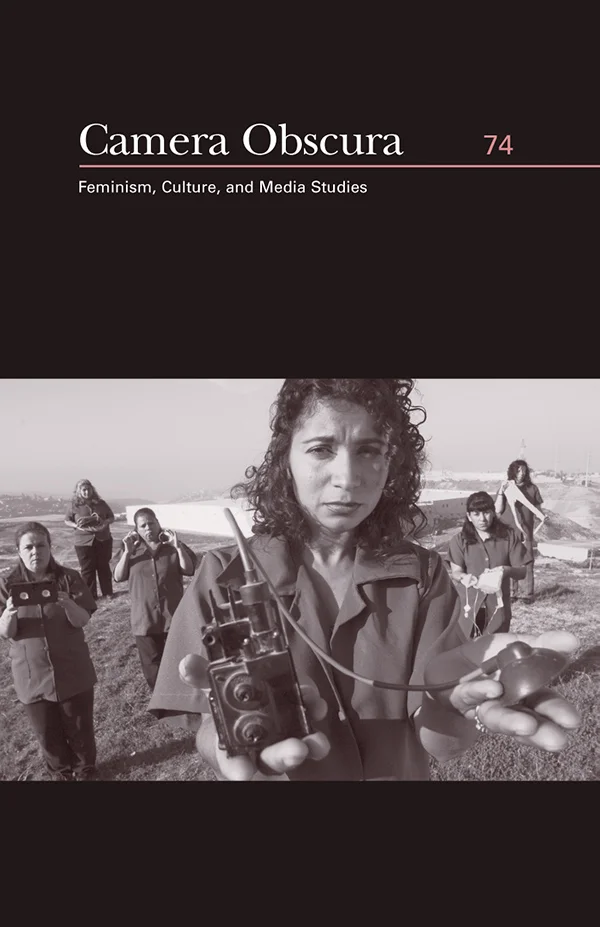
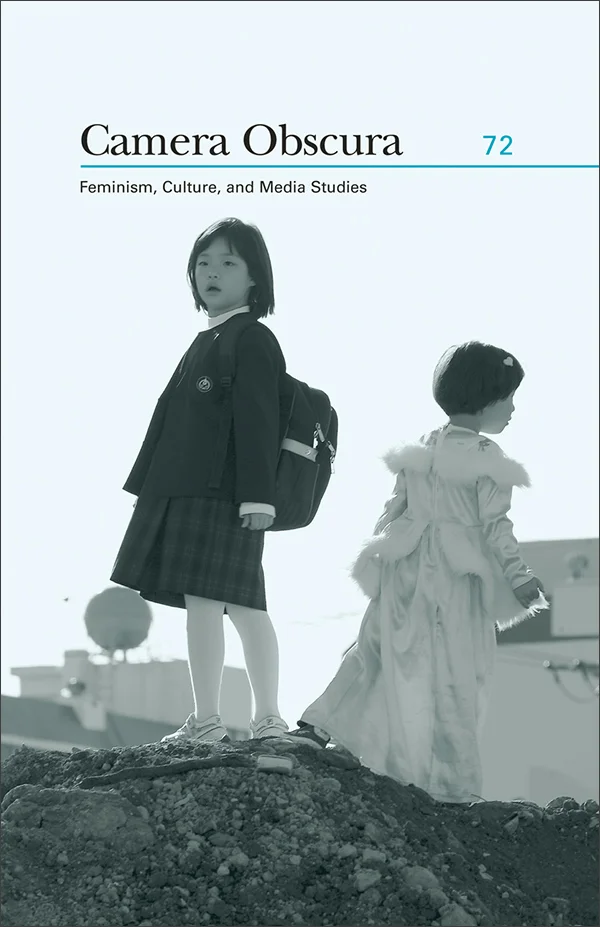
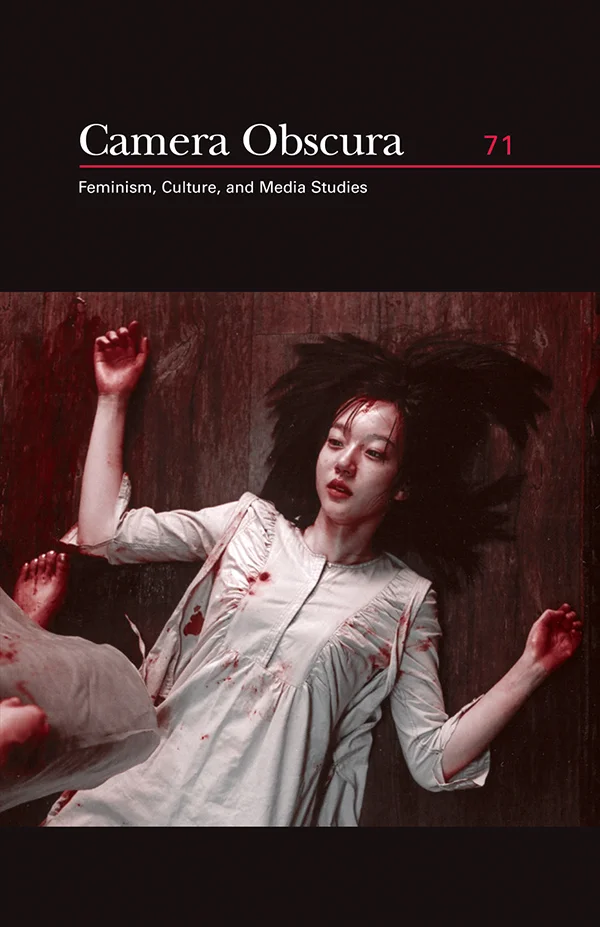
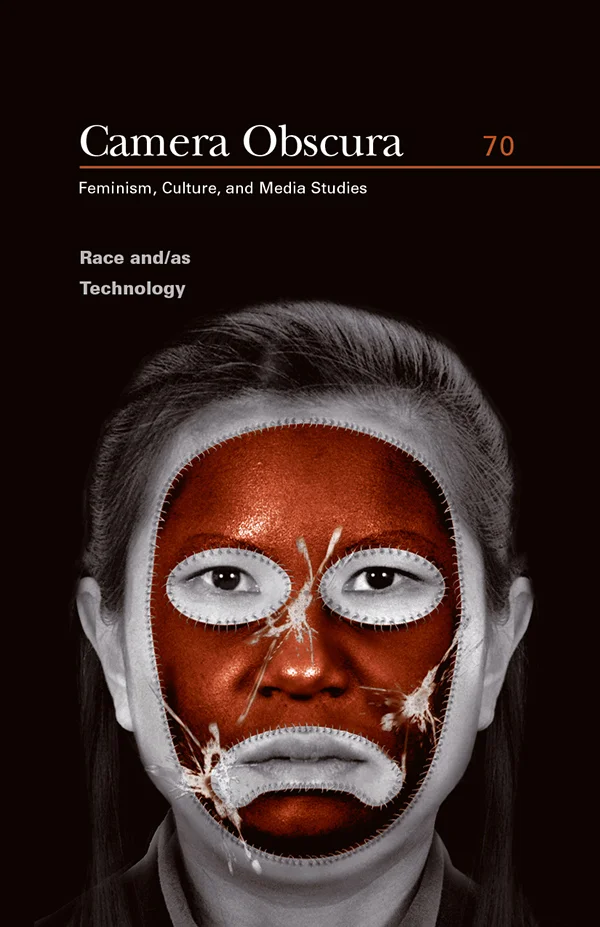
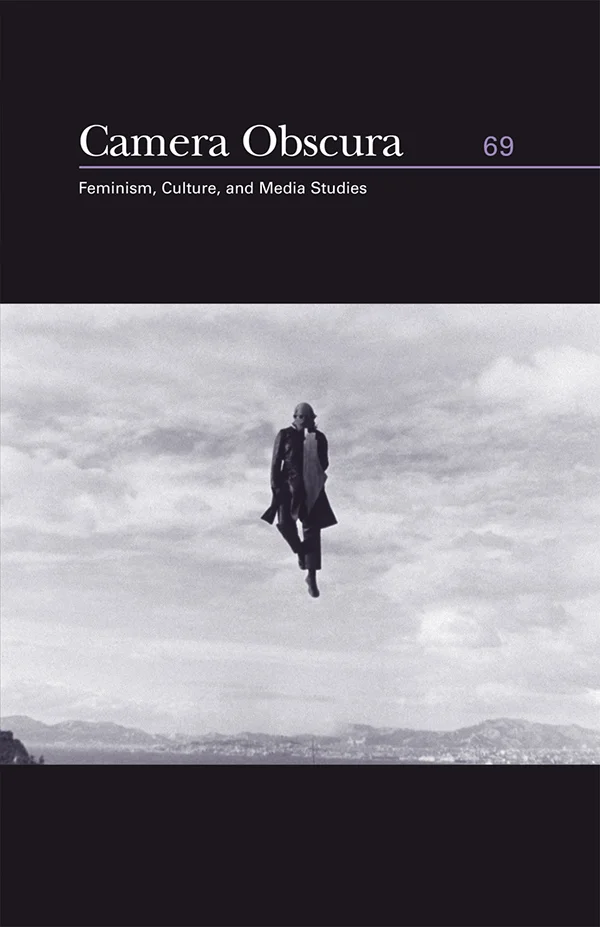
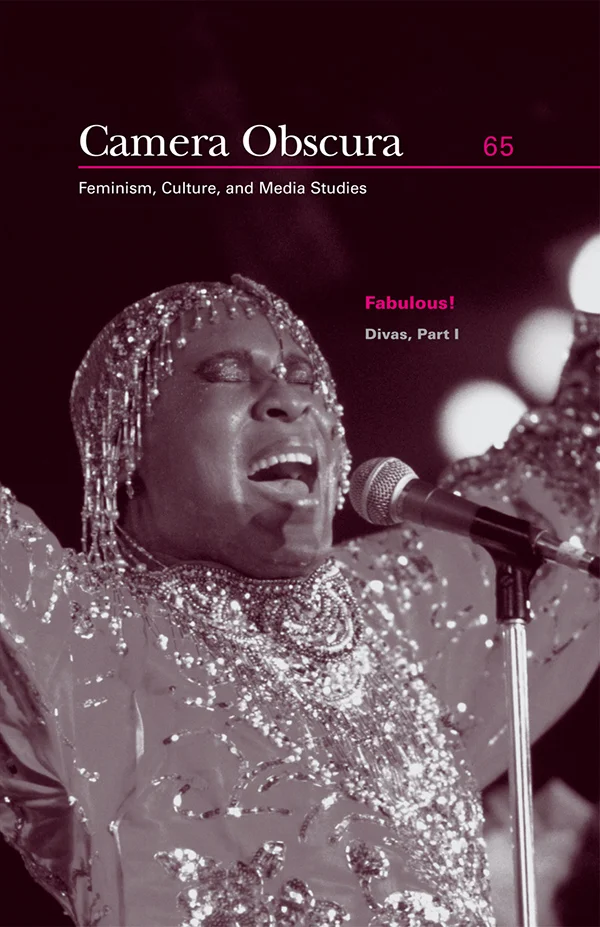
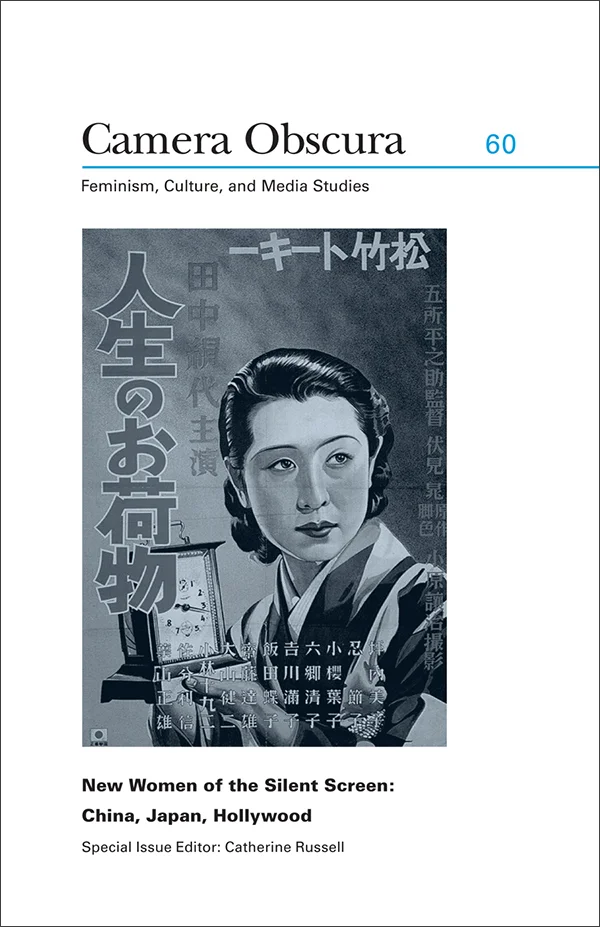
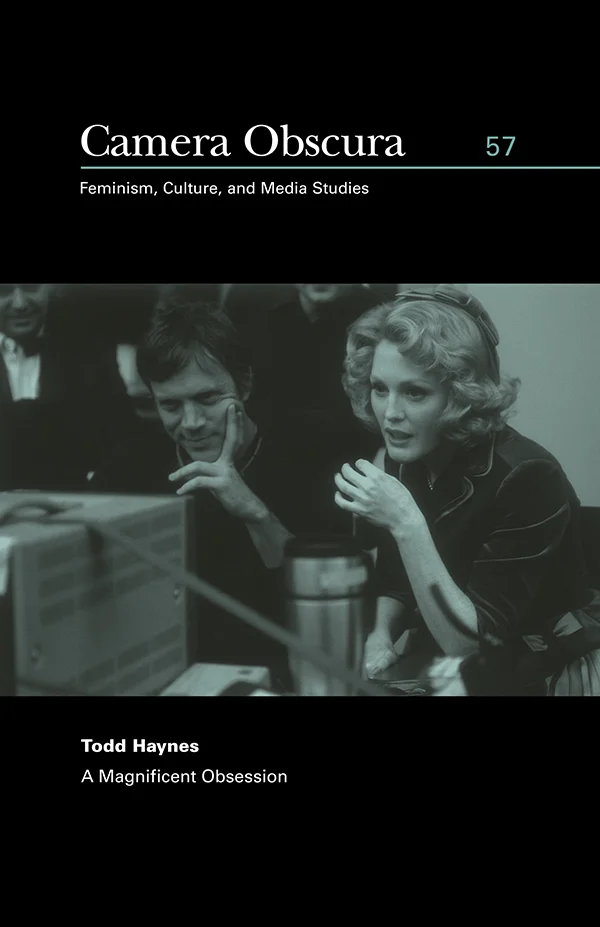
Related Sites
Back to TopAbstractors & Indexers
Back to TopOnline Access
Back to TopIndividual Access Instructions
To activate online access to your subscription, please follow these instructions:
Go to read.dukeupress.edu/my-account/register. (Please ignore the message "Already have a Duke University Press account?" if your previous account was created before November 20, 2017.)
Complete the form to activate your access. Enter your customer number. You can find your customer number on the mailing label of the journal or on the renewal notice. If you are unable to find your customer number, please contact Customer Service.
Click “Register.” You should now have access to your journal.
Advertising
Back to TopRates
Full Page Print Ad – 3.75" × 6.75" – $335
Website Ad – 300px × 250px – $285
Issue Alert Email Ad – 726px × 75px – $235
Please refer to the Journals Advertising Rate Catalog (PDF) to view discount offers and our advertising terms.
Reservations and Artwork Submission
To reserve an ad and submit ad artwork, email dup_journals_advertising@duke.edu. Be sure to include the journal title in the email. Please refer to the Journals Advertising Rate Catalog (PDF) to view ad artwork specifications.
Deadlines for Print Ads
Issue 124 (42:1, May) – January 23, 2027
Issue 125 (42:2, September) – May 29, 2027
Issue 126 (42:3, December) – August 26, 2027
Deadlines for Website and Issue Alert Email Ads
Reservations and ad artwork submission for a Website Ad are due by the twentieth of the month prior to the run date.
Reservations and ad artwork submission for an Issue Alert Email Ad are due by the twentieth of the month preceding the Issue Alert Email publication date. To confirm the publication dates for the upcoming Issue Alert Emails for this journal, please contact us at dup_journals_advertising@duke.edu.
Additional Information
Back to TopISSN: 0270-5346
e-ISSN: 1529-1510