
Fugitive Life
The Queer Politics of the Prison State
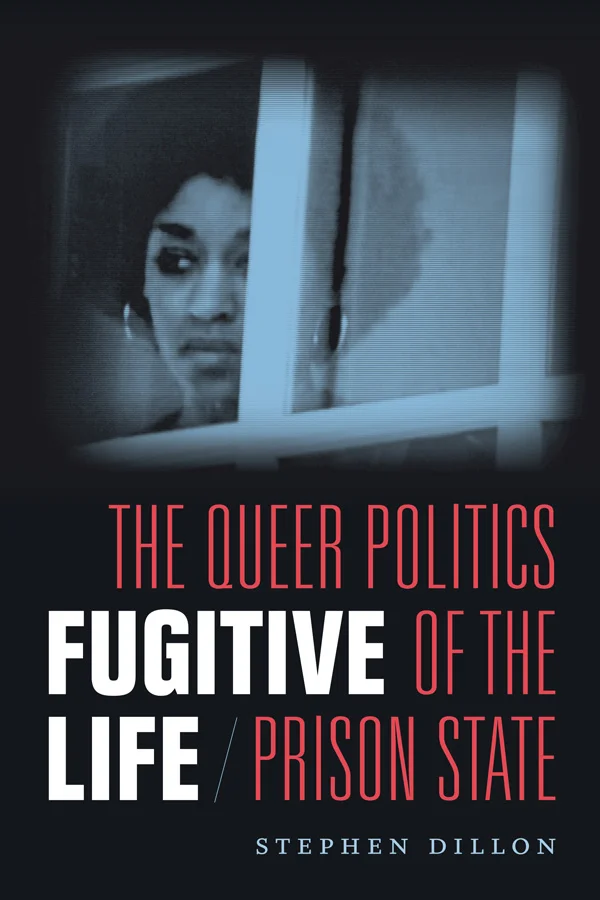
Book
Pages: 200
Published: June 2018
Author: Stephen Dillon
Subjects
African American Studies and Black Diaspora, American Studies, Gender and Sexuality > Feminism and Women’s Studies
African American Studies and Black Diaspora, American Studies, Gender and Sexuality > Feminism and Women’s Studies
Praise
Buy
Availability: In stock
Price: $30.95
This title will be released on June 08, 2018
Buy the e-book:
Information
Author/Editor Bios
Back to TopStephen Dillon is Assistant Professor of Critical Race and Queer Studies in the School of Critical Social Inquiry at Hampshire College.
Table Of Contents
Back to TopAcknowledgments vii
Introduction. "Escape-Bound Captives": Race, Neoliberalism, and the Force of Queerness 1
1. "We're Not Hiding but We're Invisible": Law and Order, the Temporality of Violence, and the Queer Fugitive 27
2. Life Escapes: Neoliberal Economics, the Underground, and Fugitive Freedom 54
3. Possessed by Death: Black Feminism, Queer Temporality, and the Afterlife of Slavery 84
4. "Only the Sun Will Bleach His Bones Quicker": Desire, Police Terror, and the Affect of Queer Feminist Futures 119
Conclusion. "Being Captured Is Beside the Point": A World beyond the World 143
Notes 155
Bibliography 171
Index 185
Introduction. "Escape-Bound Captives": Race, Neoliberalism, and the Force of Queerness 1
1. "We're Not Hiding but We're Invisible": Law and Order, the Temporality of Violence, and the Queer Fugitive 27
2. Life Escapes: Neoliberal Economics, the Underground, and Fugitive Freedom 54
3. Possessed by Death: Black Feminism, Queer Temporality, and the Afterlife of Slavery 84
4. "Only the Sun Will Bleach His Bones Quicker": Desire, Police Terror, and the Affect of Queer Feminist Futures 119
Conclusion. "Being Captured Is Beside the Point": A World beyond the World 143
Notes 155
Bibliography 171
Index 185
Rights
Back to TopSales/Territorial Rights: World
Rights and licensingAdditional Information
Back to Top
Related Links
- Read an interview with Stephen Dillon on the Black Agenda Report
- Listen to an interview with Stephen Dillon on Black Agenda Radio
Publicity material