
Rhetorics of Value
Exhibition Design and Communication in Museums and Beyond
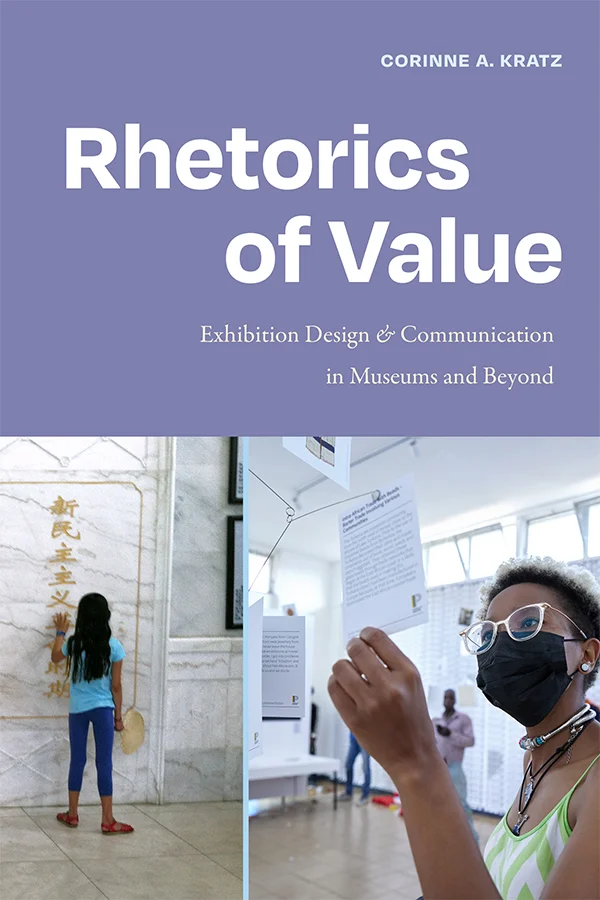
Book
Pages: 400
Illustrations: 107 illustrations, including 12 in color
Published: April 2025
Author: Corinne A. Kratz
Contributor: Ivan Karp
Praise
Buy
Availability: In stock
Price: $40.00
This title will be released on April 29, 2025
Buy the e-book:
Information
Author/Editor Bios
Back to Top
Corinne A. Kratz is Distinguished Professor of Anthropology and African Studies Emerita at Emory University and Research Associate of the Museum of International Folk Art. She is coeditor of Museum Frictions: Public Cultures/Global Transformations, also published by Duke University Press, and author of The Ones That Are Wanted: Communication and the Politics of Representation in a Photographic Exhibition and Affecting Performance: Meaning, Movement, and Experience in Okiek Women’s Initiation.
Table Of Contents
Back to Top
List of Illustrations ix
Acknowledgments xv
1. Looking into the Void: Exhibition Design and Communication 1
2. Rhetorics of Value: Fashioning Worth and Meaning through Cultural Display 23
3. From Tippoo’s Tiger to Kauai Lagoons: Constituting Authorities, Defining Diversities, and Poetics of Similarity and Difference (co-authored with Ivan Karp) 65
4. What Makes Exhibitions Ethnographic? 101
5. Portable Technologies: Adapting and Transforming Ethnographic Exhibits and African Museums 137
6. Redesigning Popular Histories and Facing Race Through Exhibition 171
7. Alchemies and Encounters in Exhibit Design and Communication 211
Appendix A. The Riddle of Exhibit Design: Essential but Overlooked 239
Appendix B. The Field of Visitor Studies and Exhibit Design 245
Notes 249
References 299
Index
Acknowledgments xv
1. Looking into the Void: Exhibition Design and Communication 1
2. Rhetorics of Value: Fashioning Worth and Meaning through Cultural Display 23
3. From Tippoo’s Tiger to Kauai Lagoons: Constituting Authorities, Defining Diversities, and Poetics of Similarity and Difference (co-authored with Ivan Karp) 65
4. What Makes Exhibitions Ethnographic? 101
5. Portable Technologies: Adapting and Transforming Ethnographic Exhibits and African Museums 137
6. Redesigning Popular Histories and Facing Race Through Exhibition 171
7. Alchemies and Encounters in Exhibit Design and Communication 211
Appendix A. The Riddle of Exhibit Design: Essential but Overlooked 239
Appendix B. The Field of Visitor Studies and Exhibit Design 245
Notes 249
References 299
Index
Rights
Back to TopSales/Territorial Rights: World
Rights and licensingAdditional Information
Back to Top
Related Links
- Read an interview with Corinne Kratz on CaMP Anthroplogy
- Watch Corinne Kratz's book talk at the School of Advanced Research
- Listen to an interview with Corinne Kratz on The Africanist
Publicity material