
Translating Blackness
Latinx Colonialities in Global Perspective
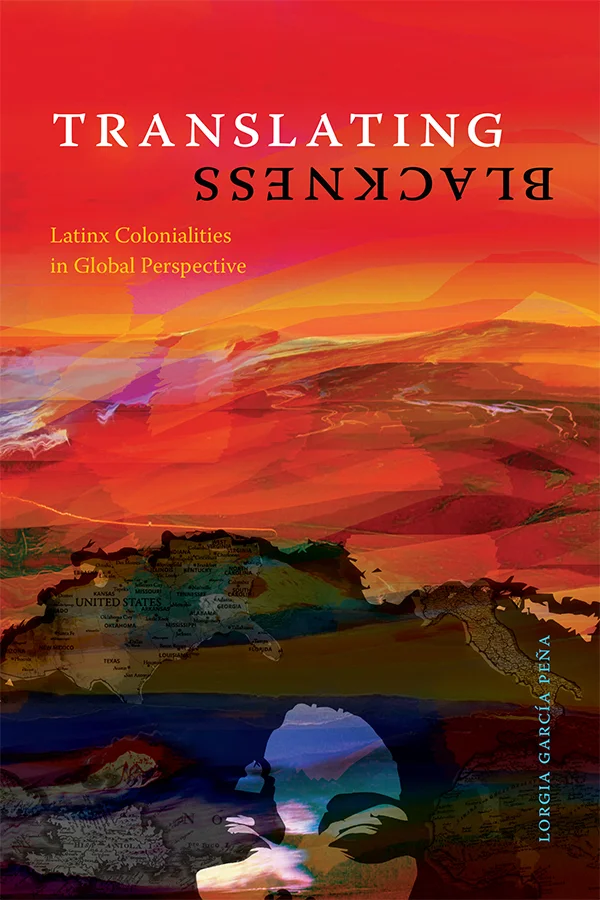
Book
Pages: 336
Illustrations: 23 illustrations, incl. 2 in color
Published: September 2022
Author: Lorgia García Peña
Subjects
African American Studies and Black Diaspora, Chicanx and Latinx Studies, Critical Ethnic Studies
African American Studies and Black Diaspora, Chicanx and Latinx Studies, Critical Ethnic Studies
Praise
Buy
Availability: Loading...
Price: Loading...
This title will be released on September 23, 2022
Buy the e-book:
Information
Author/Editor Bios
Back to Top
Lorgia García Peña is Mellon Associate Professor in the Department of Studies in Race, Colonialism, and Diaspora at Tufts University and author of The Borders of Dominicanidad: Race, Nation, and Archives of Contradiction, also published by Duke University Press, and Community as Rebellion: A Syllabus for Surviving Academia as a Woman of Color.
Table Of Contents
Back to Top
Note on Terminology ix
Acknowledgments xi
Introduction: Race, Colonialism, and Migration in the Global Latinx Diaspora 1
Part I. On Being Black and Citizen: Latinx Colonial Vaivenes
1. A Full Stature of Humanity: Latinx Difference, Colonial Musings, and Black Belonging during Reconstruction 29
2. Arthur Schomburg’s Haiti: Diaspora Archives and the Epistemology of Black Latinidad 79
Part II. Black Feminist Contradictions in Latinx Diasporas
3. Against Death: Black Latina Rebellion in Diasporic Community 113
4. The Afterlife of Colonial Gender Violence: Black Immigrant Women’s Life and Death in Postcolonial Italy 153
5. Second Generation Interruptions: Archives of Black Belonging in Postcolonial Diaspora 193
Conclusion: Confronting Global Anti-immigrant Antiblackness 233
Notes 241
Bibliography 279
Index 303
Acknowledgments xi
Introduction: Race, Colonialism, and Migration in the Global Latinx Diaspora 1
Part I. On Being Black and Citizen: Latinx Colonial Vaivenes
1. A Full Stature of Humanity: Latinx Difference, Colonial Musings, and Black Belonging during Reconstruction 29
2. Arthur Schomburg’s Haiti: Diaspora Archives and the Epistemology of Black Latinidad 79
Part II. Black Feminist Contradictions in Latinx Diasporas
3. Against Death: Black Latina Rebellion in Diasporic Community 113
4. The Afterlife of Colonial Gender Violence: Black Immigrant Women’s Life and Death in Postcolonial Italy 153
5. Second Generation Interruptions: Archives of Black Belonging in Postcolonial Diaspora 193
Conclusion: Confronting Global Anti-immigrant Antiblackness 233
Notes 241
Bibliography 279
Index 303
Rights
Back to TopSales/Territorial Rights: World
Rights and licensingAwards
Back to TopWinner of the 2023 Isis Duarte Book Prize from the Haiti-Dominican Republic Section of the Latin American Studies Association
Winner of the 2023 Barbara T. Christian Literary Book Award, presented by the Caribbean Studies Association
Additional Information
Back to Top
Related Links
- Lorgia García Peña's website
- Listen to an interview with Lorgia García Peña on the New Books Network podcast
- NACLA Report on the Americas
- Read an interview with Lorgia García Peña in the Black Agenda Report
Publicity material